Veneers & Cosmetic Dentistry in Charlotte, NC

Cosmetic dentistry is about refinement—enhancing what already exists while preserving balance and natural appearance. At Queen City Prosthodontics, veneers and cosmetic treatments are planned with attention to facial harmony, bite function, and long-term stability.
What are Veneers?

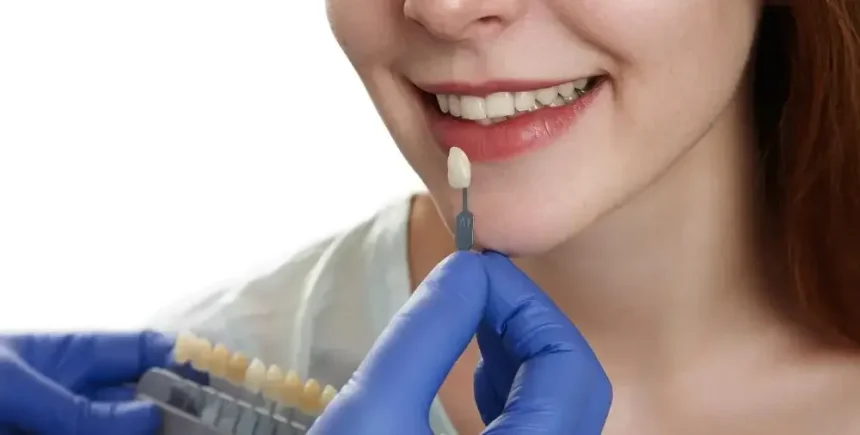
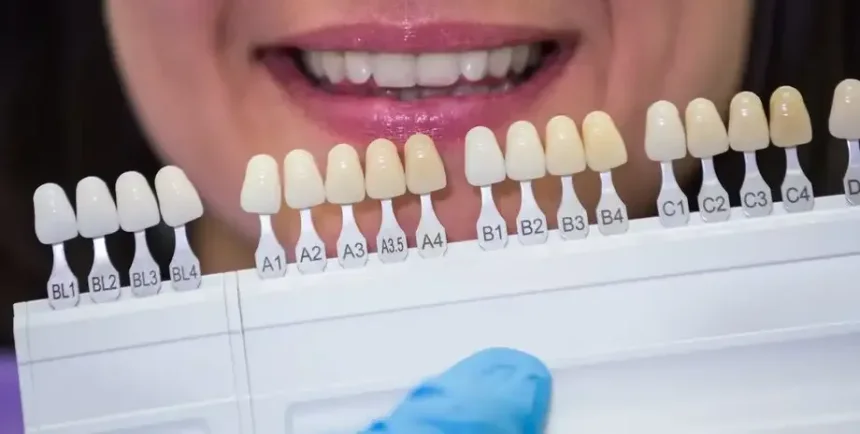
Veneers are thin, custom-crafted restorations bonded to the front surface of visible teeth to enhance shape, color, proportion, and overall symmetry. They are often used to address concerns such as discoloration, minor misalignment, worn edges, small gaps, or uneven tooth contours. When thoughtfully designed, veneers create a brighter, more balanced smile while maintaining a natural appearance.

At a prosthodontic practice, veneer treatment begins with careful planning and smile design. Tooth proportions, bite alignment, facial features, and long-term function are all considered to ensure results that feel harmonious rather than overdone. The goal is not simply whiter teeth—but a confident, refined smile that complements your unique features.

Cosmetic Dentistry with a Prosthodontic Perspective

Unlike purely cosmetic approaches, prosthodontic treatment considers:

  • Bite alignment and tooth function
  • Long-term wear and durability
  • How restorations interact with surrounding teeth

This allows cosmetic enhancements to look beautiful and perform comfortably over time.

Who May Benefit

Veneers and cosmetic dentistry may be a great fit if you want to improve the look of your smile while keeping results natural, balanced, and functional. You may be a candidate if you’re concerned about:

  • Staining or discoloration that doesn’t respond well to whitening
  • Chips, uneven edges, or wear that make teeth look shortened or rough
  • Gaps or spacing that draw attention when you smile
  • Minor alignment concerns where you want a cosmetic improvement without orthodontics
  • Uneven tooth shape or proportions (small teeth, irregular contours, “one tooth looks off”)
  • Asymmetry in the smile such as uneven length, midline concerns, or inconsistent tooth display

During your consultation, we’ll evaluate enamel health, bite function, and your long-term goals to recommend the most predictable approach—whether that’s veneers, bonding, whitening, or a combination.

Veneers & Cosmetic Dentistry - The Process

Schedule an Appointment Today

If you’re considering veneers or cosmetic dental treatment, a consultation is the first step.

Request a Consultation

Related News & Articles from Our Media Center

February 27th, 2026
What Is Prosthodontics? A Complete Guide to Restorative & Implant Dentistry

If you’ve been told you need complex dental treatment — such as dental implants, crowns, dentures, or full mouth reconstruction — you may have heard the term prosthodontist. But what exactly is prosthodontics? This guide explains what prosthodontics is, who it’s for, and how it can restore both confidence and oral health.

February 13th, 2026
Veneers vs. Crowns: Which Is Better for Front Teeth?

When it comes to improving the appearance of front teeth, two of the most common options are porcelain veneers and dental crowns. Both can dramatically enhance your smile — but they serve different purposes and are recommended for different clinical situations.

January 21st, 2026
Full Mouth Rehabilitation vs. Smile Makeover: What’s the Difference?

Patients often hear the terms full mouth rehabilitation and smile makeover used interchangeably—but they serve different purposes. Understanding the difference helps ensure you pursue treatment that truly addresses your needs.


Veneers & Cosmetic Dentistry - Frequently Asked Questions

What concerns can veneers fix?

Veneers are commonly used to improve tooth color, shape, symmetry, and minor spacing concerns. They can help address stains that don’t respond to whitening, small chips, worn edges, uneven tooth length, and teeth that look slightly misaligned.

Do veneers look natural, or will they look “too perfect”?

Natural-looking veneers come from thoughtful planning—not just making teeth whiter. We consider shade, translucency, tooth proportions, and how your smile fits your facial features. The goal is a refined result that still looks like you, not an artificial “one-size-fits-all” smile.

How many veneers do I need?

It depends on your goals and how much of your teeth show when you smile. Some patients improve symmetry with a few veneers on the most visible teeth, while others choose a broader smile design for more uniformity. We’ll help you decide what’s appropriate based on your smile line and aesthetic preferences.

Do veneers require removing tooth structure?

Sometimes minimal shaping is needed to ensure proper fit and a natural profile. When preparation is required, it is typically conservative and planned to preserve enamel whenever possible. The amount depends on your tooth position, thickness needed for shade change, and the design goals.

Are veneers permanent?

Veneers are considered a long-term restoration, and if tooth structure is altered, you’ll typically always need some form of restoration on those teeth moving forward. With proper planning, good oral hygiene, and routine dental care, veneers can last many years.

What’s the difference between veneers and dental bonding?

Bonding uses tooth-colored composite resin applied directly to the tooth and can be a great option for small chips or minor shape changes. Veneers are custom-crafted (often porcelain) restorations that typically offer greater stain resistance, longevity, and precision for broader cosmetic changes. The best option depends on your goals, bite, and the extent of changes needed.

Can I whiten my teeth instead of getting veneers?

Whitening may be the simplest solution if your main concern is color and the enamel is healthy. Veneers are often recommended when there are additional concerns like wear, chipping, uneven shape, spacing, or discoloration that doesn’t respond predictably to whitening.

Do veneers stain or chip?

Porcelain veneers are generally resistant to staining, but good habits still matter. Like natural teeth, veneers can chip with trauma or heavy biting forces. If you clench or grind, a protective nightguard may be recommended to help protect your investment.

What if I grind my teeth or have bite issues?

This is exactly where a prosthodontic approach matters. We evaluate bite alignment, wear patterns, and functional habits before finalizing cosmetic treatment. If needed, we’ll recommend protective steps (like a nightguard) or alternative restorations so your results remain comfortable and stable long-term.

How long does the veneer process take?

Most veneer cases are completed over a few visits: consultation and planning, preparation (when needed) with impressions/records, and final placement. Some cases include a preview/try-in step as part of smile design. Your timeline depends on the number of teeth involved and the complexity of the design.