
Dentures and Partial Dentures in Charlotte, NC
Well-designed dentures restore more than missing teeth - they restore confidence, comfort, and quality of life. At Queen City Prosthodontics, dentures and partials are crafted with careful attention to fit, function, and aesthetics.
A Prosthodontist’s Approach
Successful dentures begin with careful evaluation and precise planning. A prosthodontist considers bite position, jaw alignment, facial support, and tooth placement to create dentures that look natural and feel balanced. Attention to these details helps ensure comfortable function and a confident, lifelike appearance.
As a specialty practice, our role centers on designing and restoring custom dentures and partial dentures that fit securely and support long-term oral health. When appropriate, we may also discuss implant-supported options to enhance stability and improve overall comfort and performance.
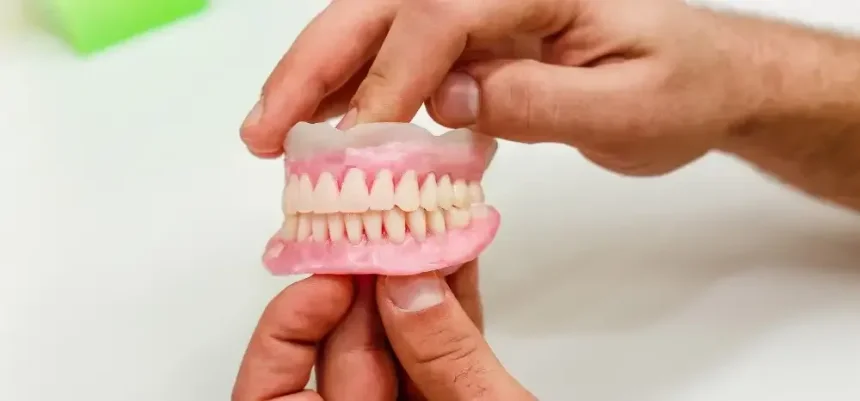
Types of Dentures
- Full dentures replace all teeth in the upper or lower arch. They are carefully designed to restore chewing ability, speech clarity, and facial support, helping maintain natural lip position and overall facial balance.
- Partial dentures replace multiple missing teeth while preserving healthy natural teeth. They are custom-fit to anchor securely and maintain proper bite alignment, preventing shifting and uneven pressure.
- Implant-supported options use dental implants to help anchor a denture more securely. This added stability can reduce movement, improve chewing confidence, and support long-term comfort.
What to Expect
- Consultation and options review – We evaluate your oral health, discuss your goals, and review denture options based on comfort, function, and long-term stability.
- Measurements and impressions – Precise records are taken to guide fit, bite position, and tooth placement, helping ensure a natural appearance and balanced function.
- Try-in appointments (when applicable) – A preview allows you to evaluate aesthetics before the final denture is completed.
- Final delivery and adjustments – Your denture is placed and carefully adjusted to refine comfort, chewing balance, and speech.
- Ongoing care and support – Follow-up visits help monitor fit over time, as natural changes in the gums and jawbone may require adjustments or relining.

Schedule an Appointment Today
If you’re considering dentures or exploring more stable alternatives, we welcome your consultation.
Related News & Articles from Our Media Center
If you’ve been told you need complex dental treatment — such as dental implants, crowns, dentures, or full mouth reconstruction — you may have heard the term prosthodontist. But what exactly is prosthodontics? This guide explains what prosthodontics is, who it’s for, and how it can restore both confidence and oral health.
Traditional dentures have helped millions of patients restore their smiles. However, many denture wearers struggle with slipping, discomfort, difficulty chewing, and lack of confidence in social situations. At QCP, Dr. Linder offers implant-supported dentures as a more stable, secure, and functional solution.
Patients often hear the terms full mouth rehabilitation and smile makeover used interchangeably—but they serve different purposes. Understanding the difference helps ensure you pursue treatment that truly addresses your needs.
Dentures & Partial Dentures - Frequently Asked Questions
Full dentures replace all teeth in the upper or lower arch. Partial dentures replace several missing teeth and typically anchor to remaining natural teeth for added stability. The best option depends on how many teeth are missing, the health of your remaining teeth and gums, and your functional goals.
Most patients complete the process over a few appointments. After an initial consultation, impressions and measurements are taken, followed by a “try-in” visit (when applicable) to confirm fit and appearance before the final denture is delivered. The exact timeline varies based on your needs and whether extractions, healing time, or other preparatory treatment is involved.
Yes - when properly planned and custom crafted, dentures can look very natural. Tooth shape, shade, spacing, and smile line are selected to complement your facial features and preferences. A prosthodontist also considers lip and facial support to help dentures look balanced and lifelike.
They can, especially if the fit changes over time as the gums and jawbone naturally remodel. Proper fit and bite design help reduce movement, and adjustments are common—particularly in the early period after delivery. For patients who want added stability, implant-supported dentures may be an option to help reduce slipping and improve chewing confidence.
Daily cleaning is essential. Dentures and partials should be brushed with a non-abrasive cleanser, rinsed after meals when possible, and stored properly when not in use. You should also maintain regular checkups so the fit and bite can be evaluated, and your oral tissues can be monitored for long-term health.
It’s very common for dentures to feel looser over time as the gums and jawbone naturally change. If your dentures slip, cause sore spots, affect your speech, or make chewing difficult, you may benefit from an adjustment, reline, or replacement—depending on the condition of the denture and your oral tissues. During your consultation, we’ll evaluate the fit and bite, discuss what’s causing the issue, and recommend the most predictable path to restore comfort and stability (including implant-supported options when appropriate).