Full Mouth Rehabilitation in Charlotte, NC
Full mouth rehabilitation is a comprehensive, highly customized approach to restoring both the function and appearance of your smile. At Queen City Prosthodontics, treatment is carefully planned to address worn, damaged, or missing teeth while improving comfort, balance, and long-term oral health.
This level of care is often recommended when dental concerns are complex or widespread—requiring a coordinated plan rather than isolated treatments.
What Is Full Mouth Rehabilitation?
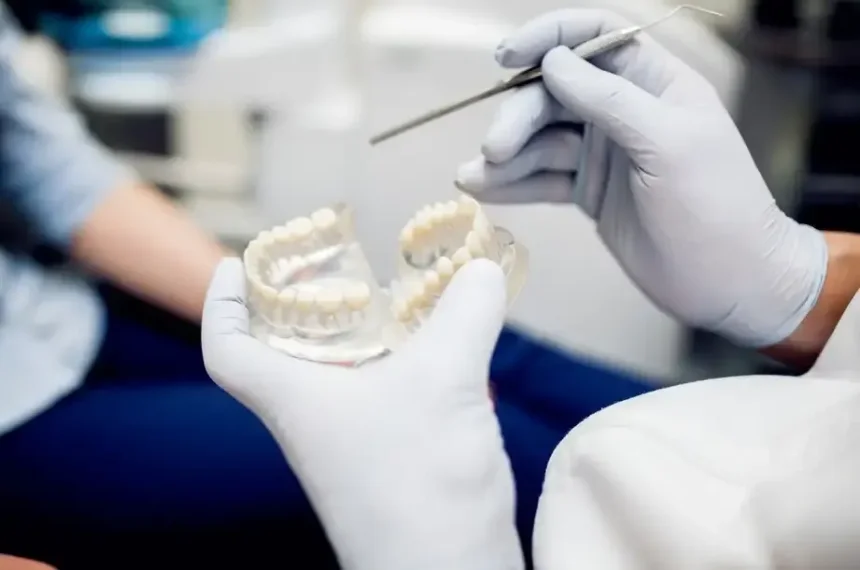
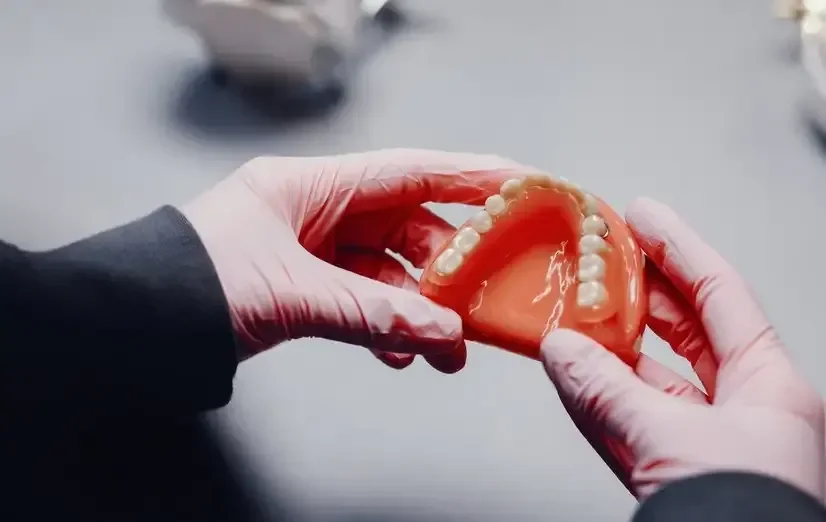
Full mouth rehabilitation (sometimes called full mouth reconstruction) involves restoring multiple teeth and reestablishing a stable, comfortable bite. Treatment may include crowns, bridges, veneers, dental implants, or dentures—designed as part of a unified plan rather than individual procedures.
As a prosthodontic specialty practice, our focus is on how every restoration works together, ensuring durability, comfort, and refined aesthetics.
Who May Benefit
Full mouth rehabilitation may be appropriate if you are experiencing:
- Severely worn, cracked, or broken teeth
- Multiple missing teeth
- Bite imbalance or jaw discomfort
- Older dental work that is failing or unattractive
- Difficulty chewing or speaking comfortably
- A desire to restore both function and appearance
A Thoughtful, Phased Approach
Every plan begins with a detailed consultation and evaluation. Treatment is often completed in carefully sequenced phases, allowing for comfort, healing, and precision at every step.
Typical phases may include:
- Comprehensive evaluation and treatment planning
- Stabilization or preparatory care
- Restorative and/or implant-based treatment
- Final refinements and long-term maintenance planning
Why Choose a Prosthodontist?
Prosthodontists receive advanced training in complex restorative dentistry and bite reconstruction. This expertise is especially valuable when multiple teeth or restorations are involved, helping ensure results that are both functional and long-lasting.
Schedule an Appointment Today
If you’ve been living with discomfort, extensive dental issues, or dissatisfaction with your smile, full mouth rehabilitation may offer a comprehensive solution.
Related News & Articles from Our Media Center
If you’ve been told you need complex dental treatment — such as dental implants, crowns, dentures, or full mouth reconstruction — you may have heard the term prosthodontist. But what exactly is prosthodontics? This guide explains what prosthodontics is, who it’s for, and how it can restore both confidence and oral health.
Patients often hear the terms full mouth rehabilitation and smile makeover used interchangeably—but they serve different purposes. Understanding the difference helps ensure you pursue treatment that truly addresses your needs.
When dental concerns become widespread, treating one tooth at a time may no longer be the most effective approach. Full mouth rehabilitation offers a comprehensive solution designed to restore function, comfort, and aesthetics across the entire smile.
Full Mouth Restoration - Frequently Asked Questions
Full mouth restoration is a comprehensive treatment approach that rebuilds multiple teeth and restores a stable, comfortable bite. It typically combines procedures such as crowns, bridges, veneers, implants, and/or dentures into one coordinated plan so everything works together for function, comfort, and aesthetics.
You may benefit if you have widespread wear, cracks, broken teeth, multiple missing teeth, bite imbalance, jaw discomfort, or older dental work that is failing. It’s also helpful for patients who struggle to chew comfortably or want a long-term solution that improves both appearance and function.
Plans are individualized, but may include crowns, bridges, veneers, implant-supported restorations, dentures or partial dentures, and bite correction. Some patients also need preparatory care to stabilize the mouth before final restorations are placed.
Timing depends on the complexity of your case and whether implants or healing phases are needed. Many full mouth cases are completed in planned stages over multiple visits, allowing time for comfort, healing, and precise refinement at each step.
Often, yes. Temporary restorations may be used to protect prepared teeth, help you chew comfortably, and “test drive” function and aesthetics while the final restorations are being crafted. Temporaries also help guide the final design to achieve the best long-term result.
Long-term success depends on planning the bite, balancing forces, and designing restorations that work together—especially when many teeth are involved. We evaluate jaw function, wear patterns, and how the teeth meet, then recommend maintenance such as routine exams/cleanings and, when appropriate, a nightguard to protect your investment.